Minimalist principles from Scandinavia are revolutionizing the way restaurants look and feel around the world. Born from the cultural design heritage of countries like Sweden, Denmark, and Norway, this aesthetic values simplicity, functionality, and a profound connection to natural materials. Within dining spaces, teletorni restoran it introduces a sense of calm and clarity that stands in sharp contrast to the excessively ornate, cluttered spaces of earlier design trends.
The most striking feature involves the use of light. Scandinavian interiors prioritize natural light whenever possible, typically incorporating large windows, open floor plans, and unobtrusive window treatments. Artificial illumination is sourced from soft, warm fixtures made of wood, brass, or matte white ceramics. They avoid dominance, instead softly directing guests through the space, cultivating a serene, welcoming ambiance.
The selection of materials prioritizes authenticity and tactile quality—wood, particularly in light tones like oak or ash, is ubiquitous—on floors, tables, and even ceiling beams. Natural stone and raw concrete are used for countertops and flooring, offering a cool, grounding contrast. Fabrics are simple and natural: linen napkins, wool seat cushions, unglazed ceramic plates. No synthetic coatings or artificial sheens—everything feels real, worn with quiet history.
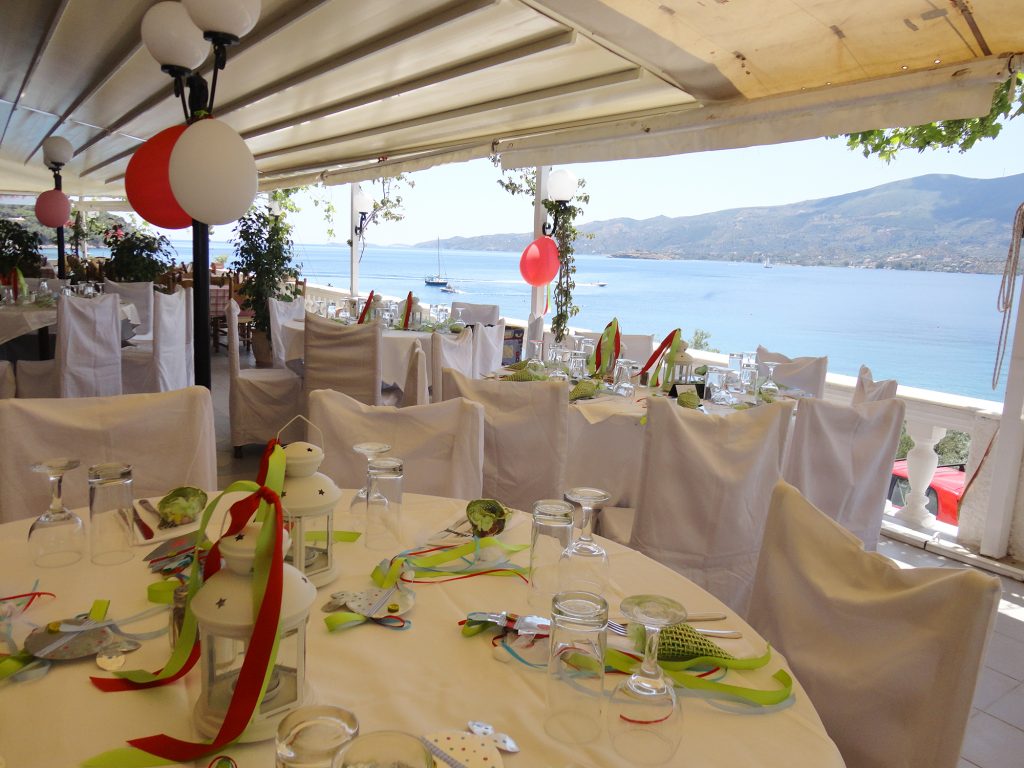
Every piece of furniture serves a clear, essential role—chairs are often elegantly plain, with refined silhouettes devoid of flourish. Tables are usually low to the ground, fostering closer human connection. The placement of cutlery follows the same principle: only essentials, no excess. The absence of clutter helps diners focus on their food, their company, and the quiet rhythm of the meal.
Color palettes are restrained—whites, grays, and soft beiges dominate, with occasional accents in muted greens, blues, or earth tones drawn from the natural landscape. This lack of color doesn’t read as sterile, but tranquil. It positions the dish as the focal point, bold flavors visually amplified by the quiet surroundings.
Perhaps most importantly, Nordic minimalism in restaurants isn’t just about looks—it’s about designing a sensory sanctuary. The design reduces sensory overload, allowing guests to slow down, breathe, and savor. This isn’t style for style’s sake—it’s intentionality designed to deepen human interaction.
As more restaurants seek to move away from loud, trendy aesthetics, Nordic minimalism offers a timeless alternative—it transcends fashion, embodying a deeper cultural ethos. In an age of constant stimulation, this serenity resonates more deeply than ever