High-end fragrance transcends odor; it’s a sensory journey, a personal declaration, and occasionally, wearable art.
The cost of a single luxury perfume bottle can leave even seasoned shoppers stunned.
What justifies the astronomical cost of perfume when, at first glance, it’s just essential oils and alcohol?
The answer lies in a complex web of craftsmanship, scarcity, time, and perception.
It all starts with the painstaking procurement of natural ingredients.
Most premium fragrances depend on botanical extracts that are nearly impossible to mass-produce.
Take rose oil, for example.
Harvesting enough petals for one liter of oil demands roughly three metric tons of blossoms.
The petals are carefully plucked by hand during the first hours of morning in terroirs like the Rose Valley of Bulgaria or the highlands of Turkey—places where microclimates enhance fragrance potency.
Saffron’s exorbitant price stems from its laborious harvest: each crocus yields just three threadlike stigmas, all collected individually by skilled workers.
These materials are not just expensive to buy—they are labor intensive and time sensitive.
The creation of the scent is a masterful act of olfactory composition.
It takes 10 to 20 years of immersion before a perfumer can confidently compose a signature fragrance.
They construct scent harmonies—each note a musical phrase, designed to unfold over hours and awaken deep emotional responses.
A single fragrance can take years to develop, involving hundreds of trials.
Each adjustment must be tested on skin over days to see how it evolves.
This is not mass production—it is bespoke creation.
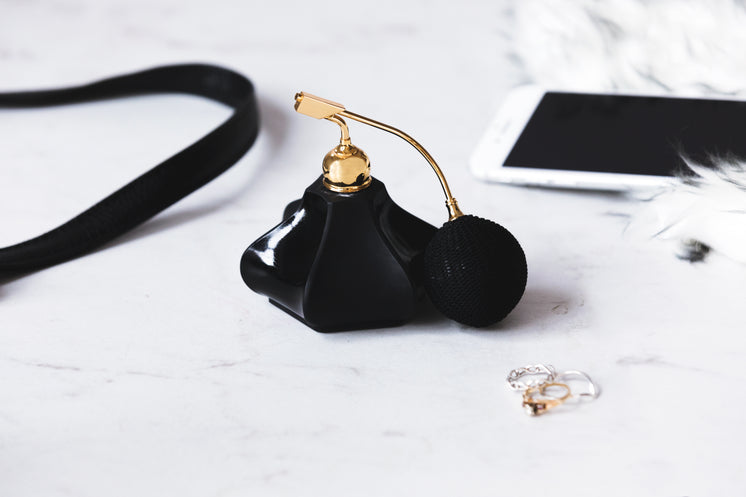
The vessel and presentation are integral to the luxury proposition.
Luxury brands often commission renowned designers or glassmakers to create unique flacons.
Some bottles are blown by master glassmakers, each piece unique, adorned with ornate engraving, platinum trim, or real diamonds.
The box may be made from fine paper sourced sustainably or printed with artisanal techniques.
The moment you open the box is designed to thrill, delight, and elevate the entire sensory journey.
Perception and storytelling are central to pricing power.
They spend millions crafting myths—featuring icons, cinematic ads, and poetic narratives that sell dreams, not molecules.
You’re not purchasing a scent—you’re buying into a fantasy, a persona, a secret world.
Limited releases and invitation-only sales create scarcity, which drives desire.
The price includes the emotion, the reputation, the whispered admiration it evokes.
The markup is intentional—not accidental.
While the cost of materials and labor is high, luxury brands operate in a space where price signals quality.
It’s a badge of belonging—a quiet signal to others that you understand exclusivity.
Consumers are willing to pay for the intangible, the emotional, and the exclusive.
In the end, the price of luxury perfume reflects more than its physical components.
It’s woven from earth, hand, history, and longing.
You are not simply buying a scent—you are investing in an experience that lingers far longer than the fragrance itself.