AVC generally means H.264/AVC video compression, which is the codec responsible for compression, while the actual file format is usually a container like MP4, MKV, MOV, or TS that can hold AVC video along with audio tracks such as AAC, so people sometimes mix things up and label an MP4 as "an AVC file" despite the container defining the type; files ending in .avc or .h264/.264 usually contain raw AVC streams or custom exports that VLC may handle but often with weak seeking, incorrect duration, or no audio due to missing container-level indexing.
Some CCTV/DVR devices save clips under unexpected file types even when the underlying format is normal, meaning a video might just need to be renamed to .mp4 to play, though other cases require the manufacturer’s player to convert it; the fastest way to tell is to test it in VLC, check codec info, or use MediaInfo to confirm whether it’s a proper container (MP4/MKV/TS) and whether audio exists, and if it turns out to be a raw AVC stream you typically need to wrap it into an MP4 for improved compatibility and seekability.
A `.mp4` file is normally a standard MP4 *container*, offering organized video, audio, timing, indexing, subtitles, and metadata, but a `.avc` file is frequently just a raw H.264/AVC stream or device-specific output with none of that structure; it can decode, yet players might show wrong duration reports because essential container-level information is absent.
This is also why `.avc` files often include no audio: audio is usually stored separately or never bundled with the stream, while MP4 normally packages both video and audio together; additionally, some CCTV/DVR tools export nonstandard extensions, so a file may actually be MP4 or TS but mislabeled as `.avc`, and renaming it to `.mp4` can suddenly make it work, whereas other cases involve proprietary wrappers that need the vendor’s converter; in short, `.mp4` usually means properly indexed, while `.avc` often means a proprietary format, leading to missing audio, weak seeking, and compatibility issues.
If you have any kind of questions pertaining to where and the best ways to make use of AVC file information, you could contact us at our own web-site. Once you determine what kind of "AVC file" you have, the solution varies based on whether it’s mislabeled, raw H.264, or a proprietary export; when VLC or MediaInfo indicates a real container like MP4 (you may see "Format: MPEG-4" or normal seeking), simply renaming `clip.avc` to `clip.mp4` often solves compatibility—just make a copy first; if the file is a raw bitstream instead, typically shown by "Format: AVC" with sparse container info and glitchy seeking, the fix is to wrap into an MP4 container without re-encoding, adding the indexing and timing structure raw streams don’t have.
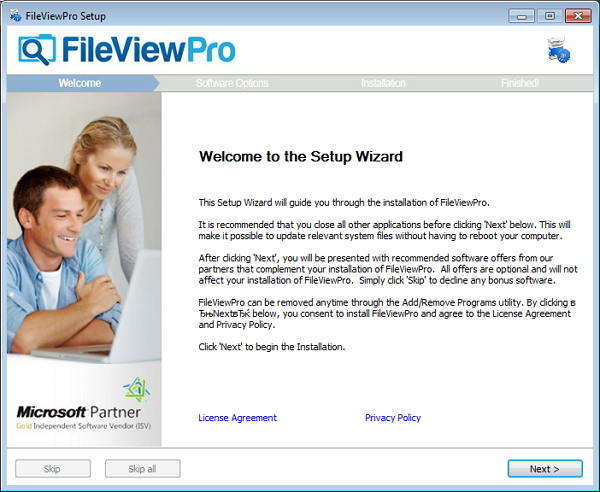 If your file came from a CCTV/DVR or a system with its own packaging, the most reliable fix is using the manufacturer’s software to export as MP4 or AVI, because some proprietary structures can’t remux correctly unless processed through the official exporter; this is a true conversion, not just a rename, and if playback remains corrupted, refuses to open, or the duration stays off even after remuxing, that often indicates a damaged recording or missing sidecar/index data, requiring re-export from the device or retrieving the related metadata.
Some CCTV/DVR devices save clips under unexpected file types even when the underlying format is normal, meaning a video might just need to be renamed to .mp4 to play, though other cases require the manufacturer’s player to convert it; the fastest way to tell is to test it in VLC, check codec info, or use MediaInfo to confirm whether it’s a proper container (MP4/MKV/TS) and whether audio exists, and if it turns out to be a raw AVC stream you typically need to wrap it into an MP4 for improved compatibility and seekability.
A `.mp4` file is normally a standard MP4 *container*, offering organized video, audio, timing, indexing, subtitles, and metadata, but a `.avc` file is frequently just a raw H.264/AVC stream or device-specific output with none of that structure; it can decode, yet players might show wrong duration reports because essential container-level information is absent.
This is also why `.avc` files often include no audio: audio is usually stored separately or never bundled with the stream, while MP4 normally packages both video and audio together; additionally, some CCTV/DVR tools export nonstandard extensions, so a file may actually be MP4 or TS but mislabeled as `.avc`, and renaming it to `.mp4` can suddenly make it work, whereas other cases involve proprietary wrappers that need the vendor’s converter; in short, `.mp4` usually means properly indexed, while `.avc` often means a proprietary format, leading to missing audio, weak seeking, and compatibility issues.
If you have any kind of questions pertaining to where and the best ways to make use of AVC file information, you could contact us at our own web-site. Once you determine what kind of "AVC file" you have, the solution varies based on whether it’s mislabeled, raw H.264, or a proprietary export; when VLC or MediaInfo indicates a real container like MP4 (you may see "Format: MPEG-4" or normal seeking), simply renaming `clip.avc` to `clip.mp4` often solves compatibility—just make a copy first; if the file is a raw bitstream instead, typically shown by "Format: AVC" with sparse container info and glitchy seeking, the fix is to wrap into an MP4 container without re-encoding, adding the indexing and timing structure raw streams don’t have.
If your file came from a CCTV/DVR or a system with its own packaging, the most reliable fix is using the manufacturer’s software to export as MP4 or AVI, because some proprietary structures can’t remux correctly unless processed through the official exporter; this is a true conversion, not just a rename, and if playback remains corrupted, refuses to open, or the duration stays off even after remuxing, that often indicates a damaged recording or missing sidecar/index data, requiring re-export from the device or retrieving the related metadata.