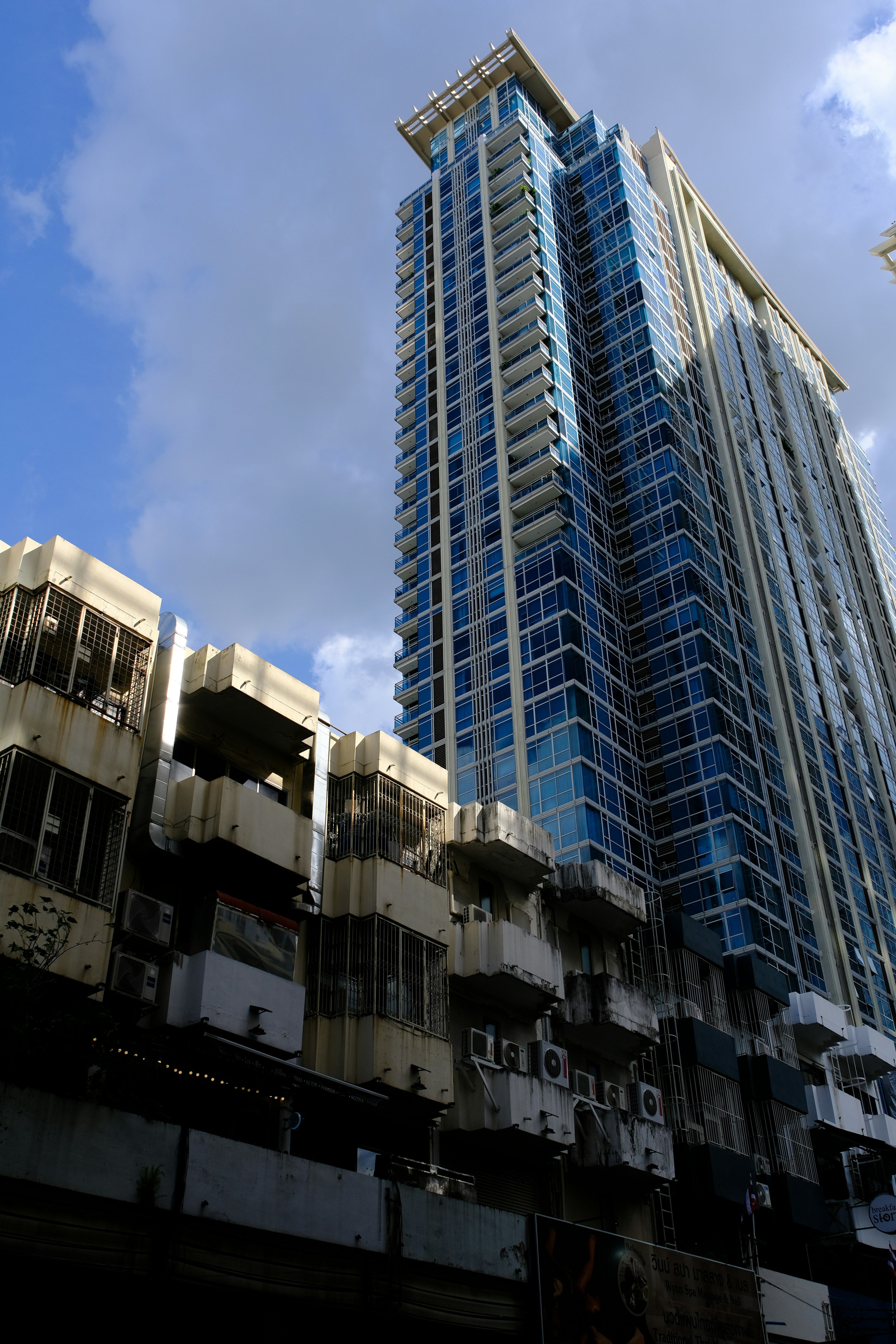
 The widespread appeal of condo living is a central pillar of Thailand's modern property market. This preference is not by chance. It arises from a potent mix of practical, aspirational, and regulatory influences. From the central business districts to the tranquil beachfronts and cultural centers, the apartment lifestyle presents a distinctly appealing option.
Central to this appeal is supreme ease of living and contemporary comforts. Urban centers in Thailand, especially the capital, are renowned for their dynamic pace and congested roads. Condominiums, strategically built near mass transit hubs, offer a decisive escape from daily commutes. Occupants can step directly to their jobs, commercial centers, cafes, and cultural sites. This means recovered minutes, diminished frustration, and a better caliber of routine existence. Furthermore, the amenities within a condominium project create a self-contained world. Swimming pools, fitness centers, co-working spaces, and gardens are standard. These amenities serve a wellness-focused, community-oriented, and efficiency-demanding demographic.
From an investment standpoint, condominiums are exceptionally accessible and liquid assets. The starting investment for a contemporary condominium is markedly smaller than that of a townhouse in an equivalent neighborhood. This enables new investors, urban workers, and salaried individuals to secure assets in desirable zones. For landlords, both Thai and overseas, the tenancy scene is vibrant and consistent. The steady stream of visitors, foreign workers, and university attendees generates ongoing need for holiday lets and annual leases. This renders apartments an effective instrument for creating regular earnings.
A special ownership system also stokes the preference for Condos in Bangkok from overseas investors. National legislation allows non-nationals to hold outright ownership of condo apartments, on the condition that foreigners do not possess over 49% of the aggregate space in a building. This clear and secure ownership right is a massive incentive for global capital. It enables people from across the globe to possess a concrete asset in the country, be it for vacation homes, golden years, or portfolio diversification.
In conclusion, condos match ideally with evolving lifestyle and generational movements. Newer demographics value access, practicality, and mobility above the responsibilities of caring for a standalone property. The easy-upkeep, network-based, and service-loaded quality of condominium dwelling aligns with this philosophy ideally. Moreover, with household sizes decreasing and city densities rising, the effective utilization of high-rise living is not only desirable but essential. The condo, hence, is not only a property form. It is a sophisticated solution that meets the complex demands of 21st-century life in Thailand. Its widespread appeal is evidence of its capacity to provide safety, financial benefit, and a desired way of life.
