Rotating puzzle pieces is a simple yet profoundly effective method to develop 3D visualization abilities. When you pick up a puzzle piece and rotate it in your hands, you are not merely seeking alignment—you are forcing your mind to construct dynamic mental models of how forms interact in three-dimensional space. This neurological challenge expands your spatial intelligence, a transferable ability that supports routine real-world tasks.
It’s a common misconception that spatial reasoning is a fixed trait. Research reveals that it is a malleable cognitive function. Each turn forces your mind to generate dynamic mental representations. Over time, this stimulates spatial memory systems, leading to more accurate angle estimation, which results in superior navigation skills in fields like driving, surgery, and robotics.
Young learners immersed in shape-based play develop advanced geometric intuition that directly supports their later success in math and science. Adults, too, reap significant benefits, whether they are planning storage layouts. The simple act of turning a piece to test its fit is a accessible cognitive workout that requires no costly resources or training.
Each attempt builds mental resilience. Every adjustment is an experiment evaluated against physical constraints. When a piece fails to align, you try again with renewed focus. This repetitive, adaptive cycle encourages systematic thinking, fostering resilience in problem-solving.
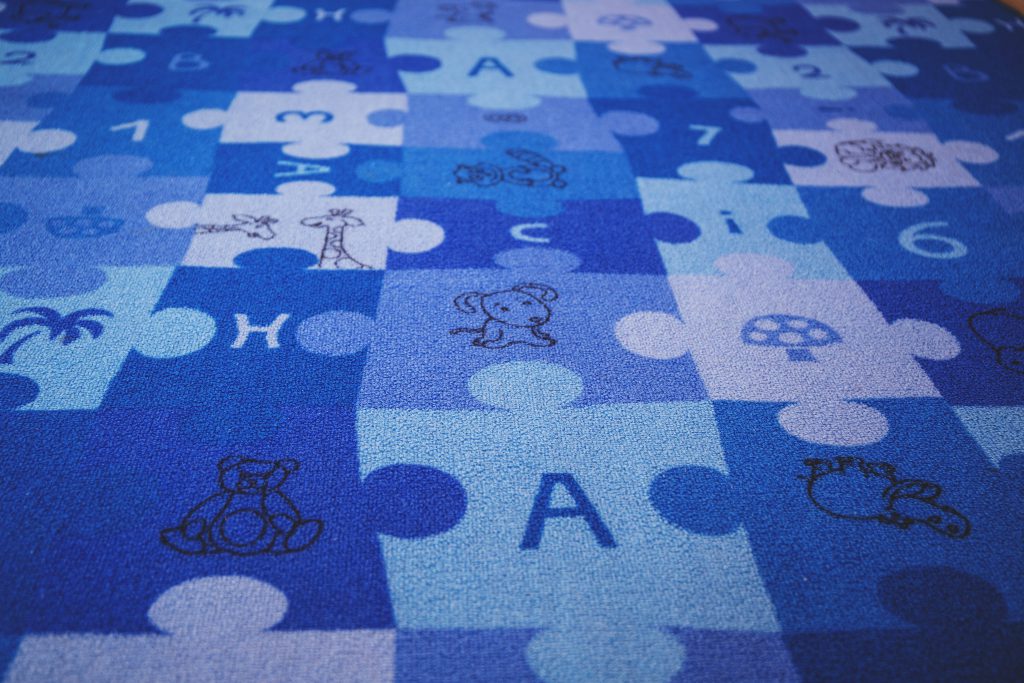
Unlike reaction-based apps that prioritize instant gratification, rotating bog about puzzle pieces demands deliberate, mindful thought. It slows the pace of your mental processing in a world that values haste over depth. Whether you are testing a geometric block puzzle, every careful repositioning expands your mental flexibility.
Adding even brief puzzle sessions to your schedule can spark tangible cognitive shifts in how you perceive, navigate, and interact with your environment. It is a ageless, low-cost activity that delivers both tranquility and mental growth, making it one of the most effective, effortless methods for building lasting spatial reasoning skills.