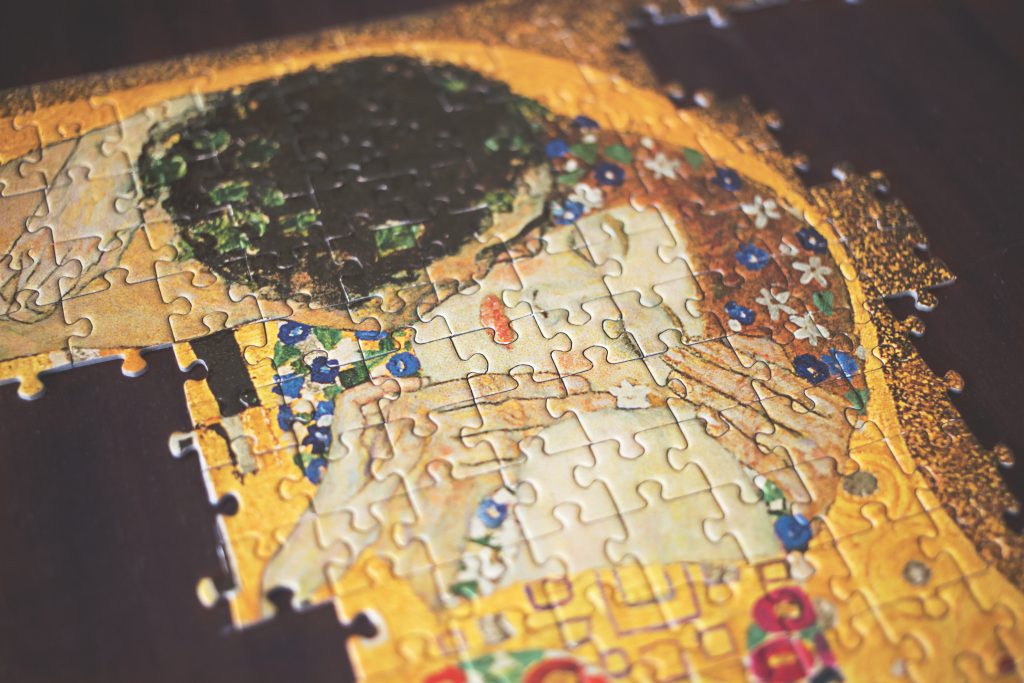
Working on jigsaw puzzle puzzles can be a deeply rewarding experience, whether you engage solo or surrounded by company, and each approach offers its own personal rewards. When you engage in solitary puzzle play, you get a chance to focus entirely on your own thought process. There’s no need to rush or justify your moves, allowing your mind to achieve profound focus. This solitude strengthens cognitive endurance, which can boost retention over time. Many people find private puzzle sessions to be a meditative practice, a way to release tension after a exhausting routine.
On the other hand, working through a puzzle socially brings a shared emotional high. Working together with friends encourages active dialogue and cooperative thinking. Each person brings their own cognitive style, which can lead to faster solutions. Group puzzle solving often turns into a social event, deepening relationships and creating shared memories. It’s not just about completing the puzzle—it’s about the laughter, the shared excitement, and the quiet awe when a hard-to-find corner slots into place.
In a group setting, people naturally delegate according to ability. One person might be great at identifying colors, another skilled with contours, and someone else at remembering where pieces were placed. This teamwork accelerates progress and often adds levity. It also teaches valuable skills like empathetic dialogue and flexible thinking, especially when there are conflicting strategies on how to proceed.
Self-guided challenges nurtures internal motivation, while group play builds connection. Neither is better—it simply depends on what you’re looking for. Sometimes you want inner stillness, and other times you crave collective buzz. The ideal balance might even be to cycle through both styles. Solving puzzles alone can harden your focus, and then contributing your expertise makes the experience richer for everyone. Ultimately, puzzles are more than just fragments to connect—they’re venues for connection and methods to heal in multiple dimensions.