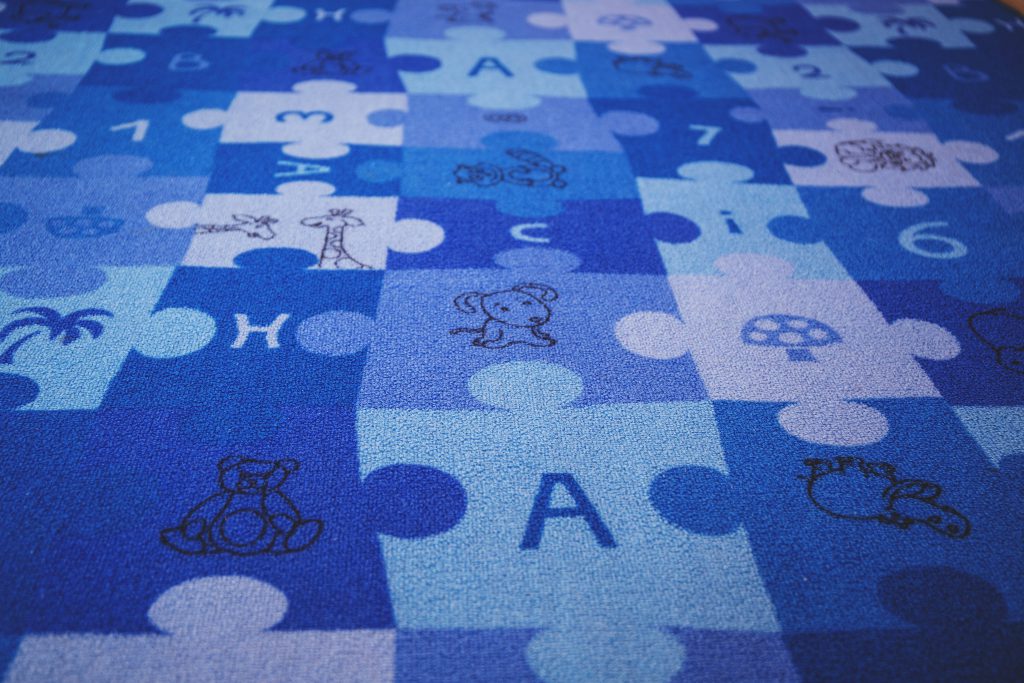
Visual-spatial cognition plays a crucial role in the process of completing challenges, whether they are picture puzzles, 立体迷宫, or mental challenges like twisting puzzles. It is the capacity to understand and mentally manipulate objects and their positional dependencies. When you analyze a component and imagine how it might fit with others, you are activating your spatial cognition. This talent allows you to mentally spin objects, translations, and dimensions without adjusting the fragments.
In assembly puzzles, mental mapping helps you detect visual cues and hues, and forecast its optimal placement based on the adjacent fragments. You don’t just rely on random guessing; you mentally rotate pieces, analyze border shapes, and foresee image reconstruction. This spatial forecasting lowers cognitive load and annoyance involved in solving the puzzle.
For more intricate brain teasers like mechanical puzzles or immersive read about puzzle rooms, mental simulation becomes even more vital. You need to consider multiple perspectives at once, perceive structural integration, and anticipate downstream effects. Someone with excellent mental rotation ability can often solve these puzzles more efficiently because they can simulate outcomes in their mind.
This skill is not just useful in leisurely brain games. It supports many daily functions such as using GPS, assembling furniture, driving in unfamiliar areas, or even interpreting construction plans. People who habitually play puzzle games often develop sharper spatial skills over time, which can increase mastery in math, engineering, and design.
Consistently engaging with brain teasers can help strengthen spatial reasoning. Even everyday exercises like recreating scenes mentally, tackling falling-block puzzles, or learning new routes can train your brain to enhance spatial awareness. The as you escalate difficulty, the your spatial thinking grows seamless.
In essence, visual-spatial cognition turns a confusing collection of pieces into a harmonious outcome. It is the hidden force behind puzzle solving, allowing us to envision solutions before executing them. Whether you are a occasional solver or someone conquering advanced 3D puzzles, developing this ability elevates the experience and fulfillment through resolution.