Infants and preschoolers often suck their thumbs to calm themselves, a developmentally typical action
Most children naturally outgrow this habit by age four with no long-term consequences to their teeth
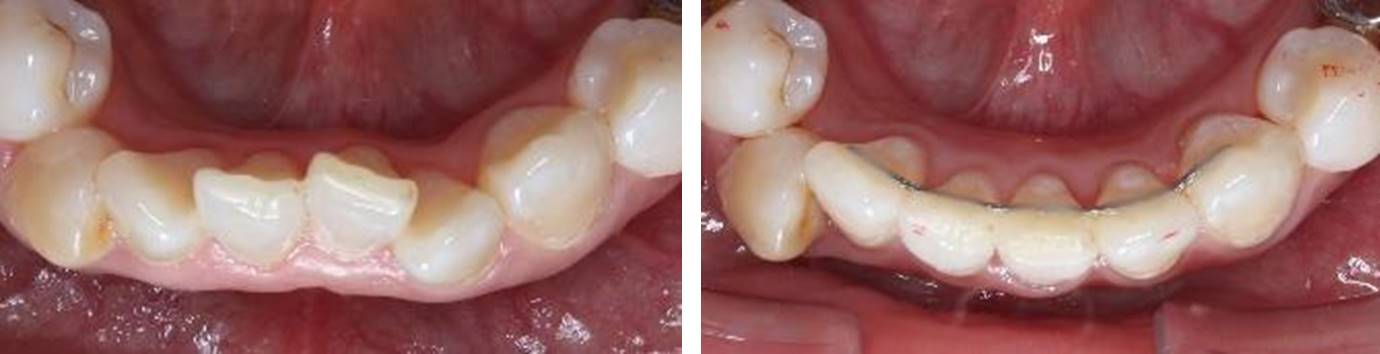
However, persistent or forceful thumb sucking beyond this age can disrupt normal oral development
Repeated thumb pressure on the roof of the mouth and upper teeth may deform the arch form
Over time, children may develop an anterior open bite, preventing proper incisor contact
The front teeth may become flared or tilted forward, giving the face a distinctive profile
The upper jaw may constrict, limiting space for the tongue and altering its resting position
These alterations may even influence speech development, leading to lisps or other articulation issues
Children who suck their thumbs intensely or for hours each day face higher risks
Passive thumb sucking—where the thumb rests gently without pressure—is rarely harmful to dental structure
By the time a child’s adult incisors emerge, dental shifts may become fixed and harder to reverse
Without orthodontic treatment, structural changes caused by prolonged thumb sucking may become irreversible
Families often seek guidance on the best strategies to discourage thumb sucking
Praising children for 東京 部分矯正 not sucking their thumbs yields better results than criticism
Creating a fun incentive system helps children associate not sucking with positive outcomes
Dental appliances designed to block thumb access can be highly effective when behavioral methods fail
It’s vital to remember that thumb sucking is a normal, developmentally appropriate behavior
Most kids stop on their own as they develop other coping mechanisms and social awareness
Positive parenting approaches make a measurable difference in preventing permanent damage
Regular dental visits starting in infancy allow for early detection of potential issues