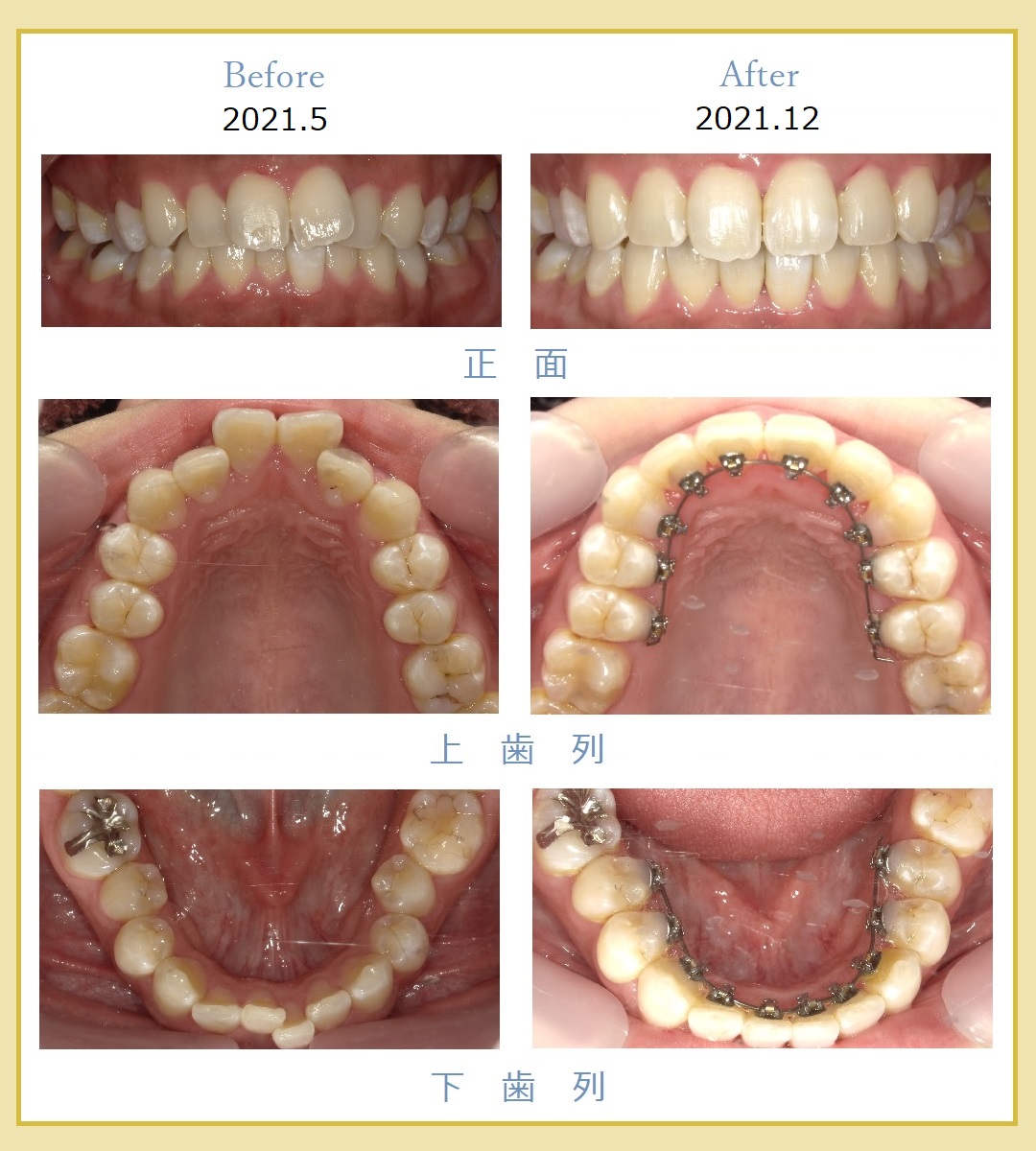
Modern orthodontic treatment has come a long way powered by cutting-edge digital solutions. Today, patients and orthodontists can track progress with unprecedented precision. Instead of relying solely on manual measurements and periodic visual checkups, digital tools now provide real-time insights into how teeth are moving throughout the treatment process.
One of the most significant innovations is the use of digital dental modeling. Traditional impressions with putty are being replaced by high-resolution digital cameras that map oral anatomy in minutes. These digital models are highly reproducible and ideal for tracking subtle changes. By taking scans at the beginning of treatment and 東京 前歯矯正 then at regular intervals, orthodontists can see exactly how each tooth is shifting and whether the treatment plan is on track.
Another helpful tool is AI-powered companion applications for clear braces. Many clear aligner systems now come with apps that allow patients to upload photos of their teeth via an app interface. The app uses artificial intelligence to analyze the images and compare them to the predicted tooth movement path. If there is a deviation, the app triggers a clinical alert for review so adjustments can be made quickly.
Wearable sensors and smart brackets are also emerging. These small devices can monitor biomechanical activity during daily function. They send data wirelessly to the orthodontist’s system offering real-time telemetry that replaces manual checkups. This means patients can maintain treatment momentum regardless of distance.
Digital tracking also improves communication. Patients can view their own progress through dynamic visualization platforms, seeing 3D simulations of expected alignment changes. This transparency helps build trust and encourages compliance as instructed.
For orthodontists, these technologies mean reduced reliance on intuition and enhanced data-driven decisions. Treatment plans can be adjusted in real time based on actual data rather than subjective observations. This leads to shorter treatment times, better outcomes, and fewer unexpected complications.
Overall, using technology to track orthodontic progress transforms the experience for everyone involved. It makes treatment more predictable, more comfortable, and more engaging. As these tools become more affordable and integrated into mainstream practices, patients can look forward to a easier, more confident transformation into their ideal smile.