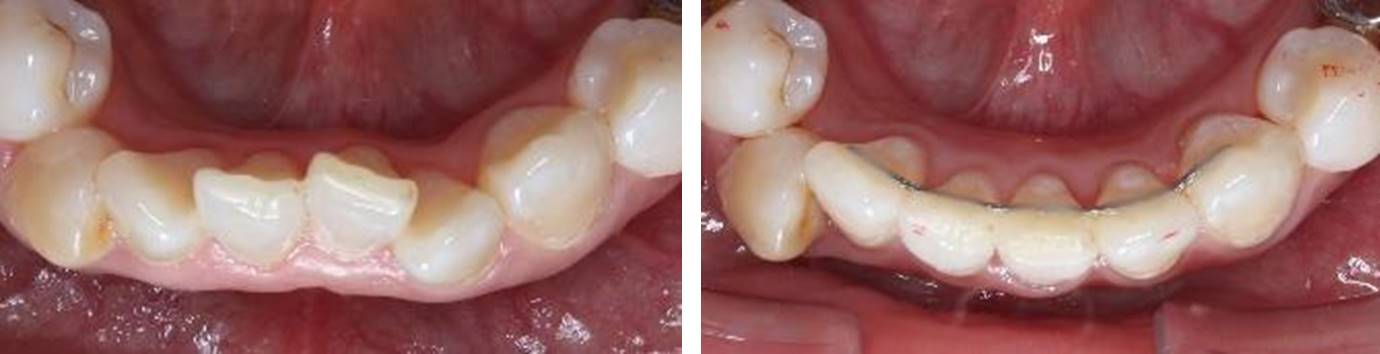
Diastemas are gaps between two teeth, often noticed in the smile zone. While many people appreciate diastemas as part of their unique identity, certain patients seek correction for confidence reasons—often for aesthetic improvement or to improve chewing and speech. A variety of reliable treatments are now accessible to address diastemas, with unique pros and cons.
A popular and effective strategy is dental alignment procedures. Traditional metal braces gently reposition teeth over time to eliminate the space without invasive procedures. This approach is particularly effective when the gap stems from jaw-tooth size imbalance and does more than just close the gap but also improves occlusion and reduces risk of plaque accumulation. The timeline depends on individual factors—typically ranging from several months to two years.
Another accessible option is resin-based gap filling. In this process, a durable cosmetic composite is applied directly to the tooth surface, shaped to conceal the space, then cured with a specialized UV light and buffed for a lifelike sheen. Bonding is typically completed in one visit and requires minimal tooth preparation. However, bonded areas are prone to damage and may lose their luster after years of use.
For a more enduring and aesthetic result, porcelain veneers offer a comprehensive smile redesign. These hand-crafted dental facings are bonded to the front of the teeth to create a flawless alignment, refine irregular contours, and provide a stunningly authentic smile. The process includes an initial consultation and final fitting and demands minimal surface preparation to ensure optimal thickness and 東京 前歯矯正 alignment. Although significantly pricier than composite, veneers are built to last and maintain color over time, often lasting 10 to 15 years or more.
If excessive tissue is the root issue, the gap may result from an abnormally large frenum tissue—the the mucosal fold above the central incisors. When identified, a quick frenectomy may be necessary before orthodontics to remove excess tissue. This minimally invasive surgery ensures stability after restoration.
Always seek expert evaluation to identify the precise cause of your diastema and select the optimal treatment plan. Your lifestyle, financial considerations, and goals all guide the treatment path. A multi-modality approach often yields the best results, such as a frenectomy followed by braces.
Oral repair has functional and health benefits. It can enhance speech clarity, make chewing more efficient, and lower risk of periodontal issues. Whether you prefer a subtle correction or a complete smile makeover, the right approach is within reach. The foundation of success is an expert-led assessment to make a long-term smart investment that aligns with your personal comfort and lifestyle.