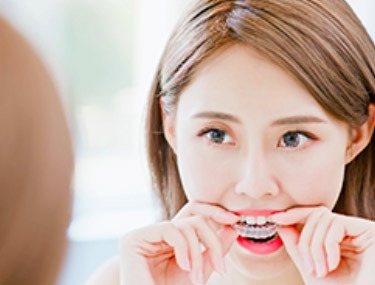
Many people have unfounded assumptions about braces that can make them avoid orthodontic treatment. One common myth is that braces are exclusive to teens. In reality, adults of all ages can benefit from orthodontic care. A growing population of grown-ups are choosing braces to boost their confidence and overall mouth function, thanks to modern options like transparent trays and tooth-colored braces that are less noticeable.
Another widespread belief is that braces are extremely painful. While it is normal to feel slight pressure after adjustments, modern braces are designed to be far less irritating than older versions. Any soreness usually disappears quickly and can be managed with over the counter pain relievers. Most people report that the early adaptation phase is easily handled and far less intimidating as they expected.
Some think that braces will disrupt normal routines like eating or speaking. While there is a short adaptation period, most people easily get used to how to eat and 鐘ヶ淵 矯正歯科 talk normally with braces. Certain foods may need to be avoided, but this is a minor change compared to the lasting improvements. Speech issues are seldom encountered and typically resolve on their own if they occur at all.
There is also a myth that braces take years to work. While treatment times vary depending on individual needs, most cases are completed in 12–24 months. Advances in orthodontic technology have made treatment faster and more efficient than ever before. Some patients even see visible changes within just a few months.
Finally, some believe that once braces are taken away, their job is done. This is an incorrect assumption. Retainers are a essential component to maintain the new position of your teeth. Without wearing them as directed, teeth can move out of place. Following your orthodontist’s instructions once appliances are removed ensures long-term success.
Understanding these truths can help anyone considering braces make an informed decision. Orthodontic treatment is not solely for appearance—it corrects malocclusion, simplifies oral hygiene, and increases social comfort. The upsides dominate the temporary inconveniences, and modern options make the process more comfortable and accessible than ever.