Interdisciplinary collaboration in orthodontics brings together experts across multiple dental and medical disciplines to deliver more comprehensive and effective patient care. When orthodontists work alongside periodontists, oral surgeons, pediatric dentists, speech therapists, and general practitioners, treatment success rates rise markedly.
Each specialist contributes unique insights and expertise that address not just the alignment of teeth, but the overall oral physiology and systemic integration.
For example, a patient with pronounced tooth overcrowding and advanced gingival inflammation may require clinical management of inflammation before initiating aligners or braces. Without input from a periodontal clinician, orthodontic treatment might worsen existing gum issues. In parallel cases, 表参道 歯列矯正 patients with dysfunctional craniofacial relationships often require corrective jaw surgery, which only an oral surgeon can provide. Synchronizing multidisciplinary interventions ensures that the clinical outcomes are durable and biologically sound.
Young individuals with abnormal oral motor patterns including nasal airway obstruction often benefit from timely intervention by oral motor and respiratory specialists. These professionals can intervene to eliminate root causes of relapse, minimizing post-therapy regression. In cases involving congenital facial anomalies, a multidisciplinary care team encompassing genetic counselors, hearing specialists, and dietitians ensures that every domain of growth—physical, sensory, and nutritional—is addressed.
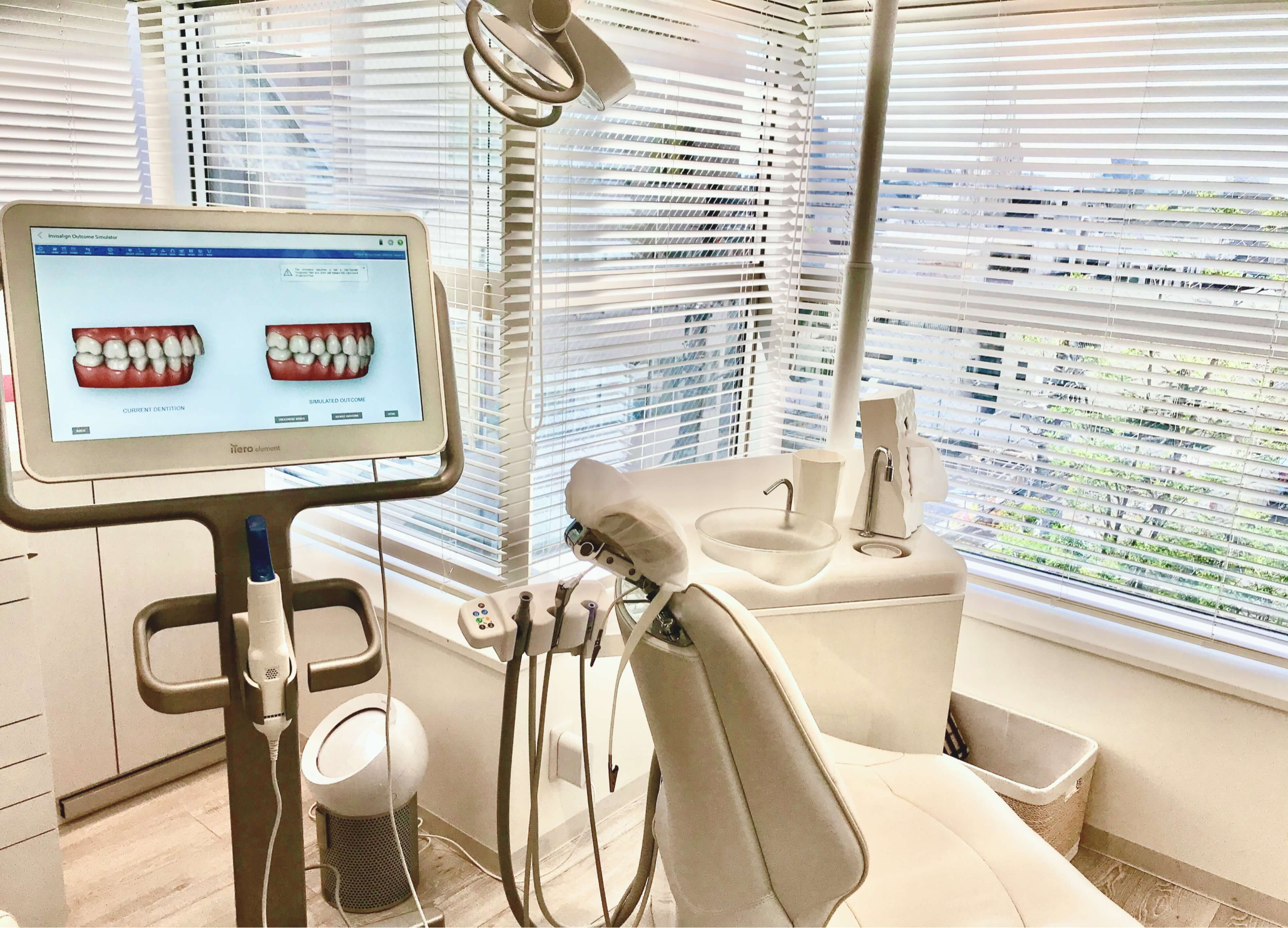
Team-based planning shortens overall treatment duration. Instead of care being fragmented across disconnected specialists, a unified protocol enables parallel treatment phases. This reduces the number of visits, decreases financial burden on families, and enhances treatment compliance.
Moreover, when professionals maintain consistent dialogue and utilize digital diagnostics like CBCT and virtual modeling, they can identify risks early and tailor interventions dynamically. This significantly elevates treatment efficacy but also enhances patient satisfaction as individuals feel more supported and understood.
Beyond the clinical benefits, interdisciplinary collaboration encourages knowledge exchange. Orthodontists learn to appreciate the value of other specialties, and non-orthodontic providers recognize the systemic impact of tooth positioning. This collaborative ethos promotes accountability and lifelong education.
As modern healthcare grows more multifaceted, the isolated, discipline-specific care is no longer sufficient. Interdisciplinary collaboration in orthodontics is not just beneficial—it is essential for delivering holistic treatment designed for the entire individual, beyond dental aesthetics.