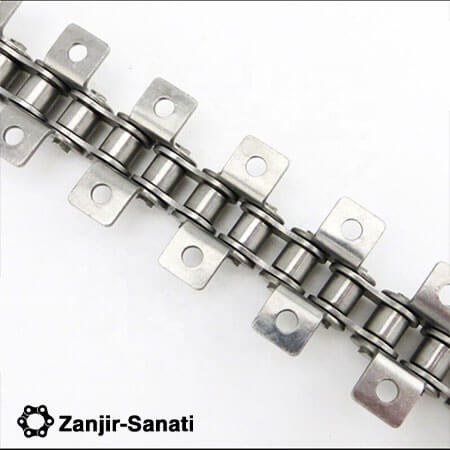
Chains serve as essential components waste management and recycling plants by facilitating uninterrupted transportation of materials throughout the facility. These mechanical components are used within conveyor systems that move everything from household trash and organic waste to classified streams such as PET, aluminum, and corrugated fiber.
In the absence of durable chain systems, the the full lifecycle of waste transformation would grind to a halt.
At waste processing centers, chains are typically found in heavy-duty conveyor belts designed to manage high-capacity throughput under severe operational stress. They must resist abrasion from sharp objects, withstand prolonged exposure to moisture and corrosive chemicals, and run nonstop for 24.
Nitrided alloy chains are frequently selected because they deliver consistent performance with low lifecycle costs, which is essential in settings where downtime equates to lost revenue.
Chains power the operation of key systems like disc screens, air classifiers, and metal detectors. They ensure steady feed rates to downstream units, preventing jams and misfeeds.
In some cases, فروش زنجیر صنعتی chains are coupled with AI-driven sorting platforms with vision systems and robotic arms, which detect and sort material streams by composition. The precision and reliability of the chains determine the effectiveness of these systems.
Regular chain upkeep is non-negotiable. Scheduled greasing, visual audits, and prompt link replacement minimize operational disruptions. Plants commonly implement structured servicing routines to sustain reliable operation despite heavy loads. Innovative sites deploy smart diagnostics that predict failure before it occurs, enabling condition-based servicing.
Outside of material handling, chains are utilized for material transfer cranes that transport large drums, skip containers, or dense recycling bales. This reduces the need for manual labor, and enhances workplace safety.
To conclude, chains are an often overlooked yet critical part of today’s circular economy systems. Their endurance, consistency, and dependability make them non-negotiable in keeping recycling facilities running efficiently. As environmental regulations tighten, the value of precision-designed, regularly serviced chain systems will only increase.