Adding polyurethane protective covers to current chain systems is a wise, forward-thinking, optimized way to improve safety, فروش زنجیر صنعتی reduce maintenance, and extend the life of your machinery. Polyurethane is a high-performance, impact-tolerant, chemically stable material that resists abrasion, chemicals, and impact, making it ideal, perfect, unmatched for protecting chains in demanding, harsh, industrial environments. The process doesn’t require replacing entire systems, which lowers expenses and accelerates return on investment.
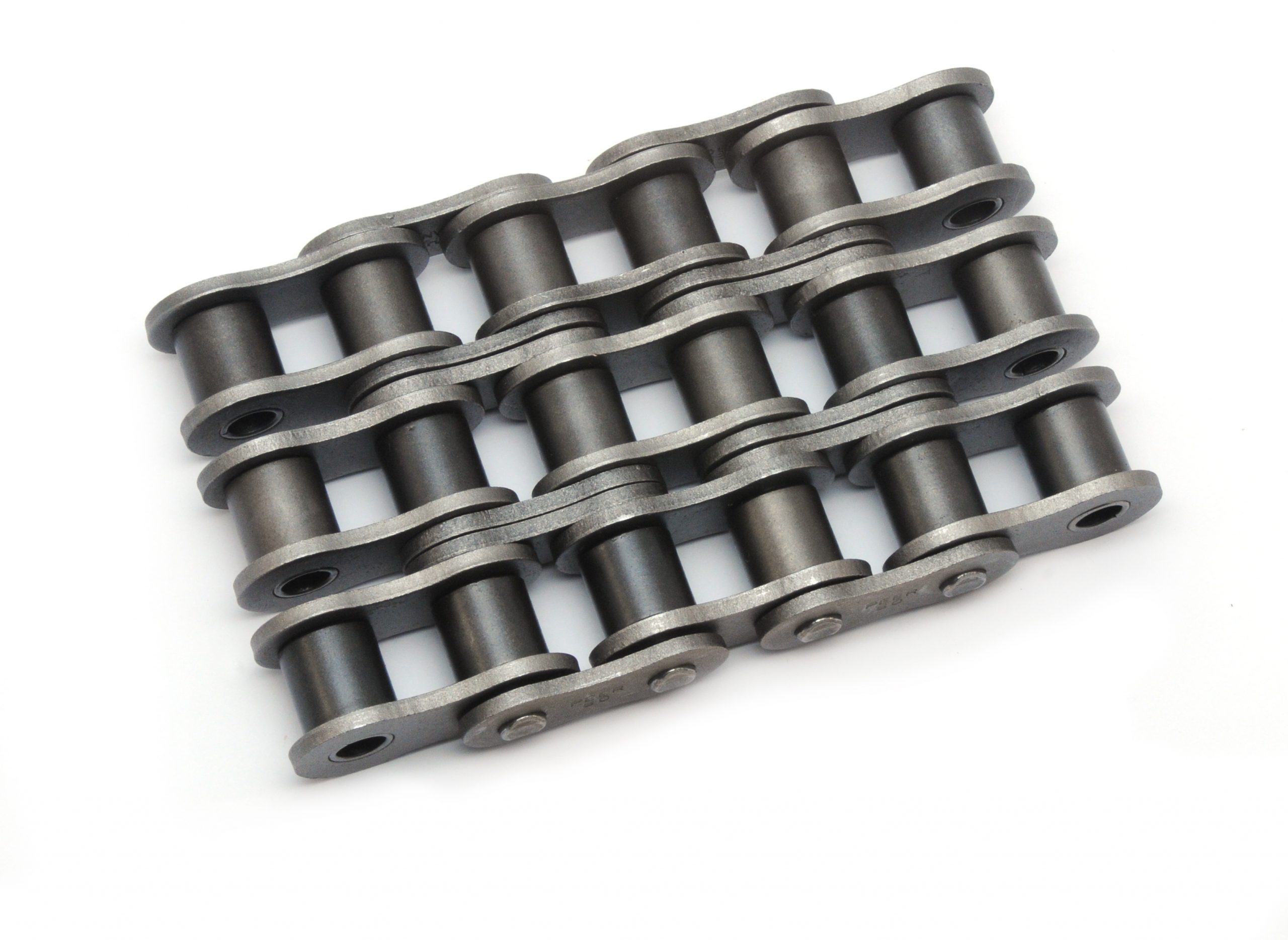
First, analyze your existing chain installation. Note the chain specification, operational velocity, weight capacity, and surrounding conditions. Note any existing wear patterns or areas where debris frequently accumulates. This will help you choose the right cover thickness and design. Polyurethane shields are manufactured in diverse geometries, so align the contour with your sprocket and link profile.
Take exact measurements of the drive system. Record the pitch size, roller width, and total span distance. You’ll need these dimensions to order custom or standard covers that fit without interfering with movement. Avoid covers that are too tight—they can bind or cause premature wear—or too loose, which may allow debris to enter.
Sanitize the chain area prior to fitting the cover. Remove grease, dirt, and old protective materials. A spotless substrate ensures the cover will stay in place and function properly. If your equipment has adjacent actuators, sensors, or linkages, confirm no interference zones. You may need to adjust guards or brackets slightly to accommodate the new cover.
PU chain shields are engineered for quick, clamp-on mounting. They often come in modular panels that lock into place. Observe all supplier-recommended procedures. Use the provided fasteners or clips. Avoid using metal fasteners that may crack the PU or gouge the chain. Verify no gaps exist between cover segments to block pathways for dust, moisture, or debris.
Operate at minimal RPM to evaluate smoothness. Scan for scuffing, uneven contact, or shifting. Realign segments or reseat clips. Once everything runs without resistance, schedule inspections every 7 days for the initial 30-day period to confirm they haven’t shifted or loosened.
A key advantage of installing PU guards is their capacity to trap oil and exclude contaminants. This slows degradation and cuts maintenance labor. With consistent use, maintenance frequency drops significantly. In high-humidity, abrasive, or washdown areas, the covers also shield control panels, cameras, and wiring from grime.
There’s no universal fit for all chain systems, but with careful assessment and precise fitting, they can boost efficiency and reduce accident risks. Companies often recover costs in less than six months due to decreased downtime and fewer component failures. Make the switch to PU guards a strategic, future-proof investment.
