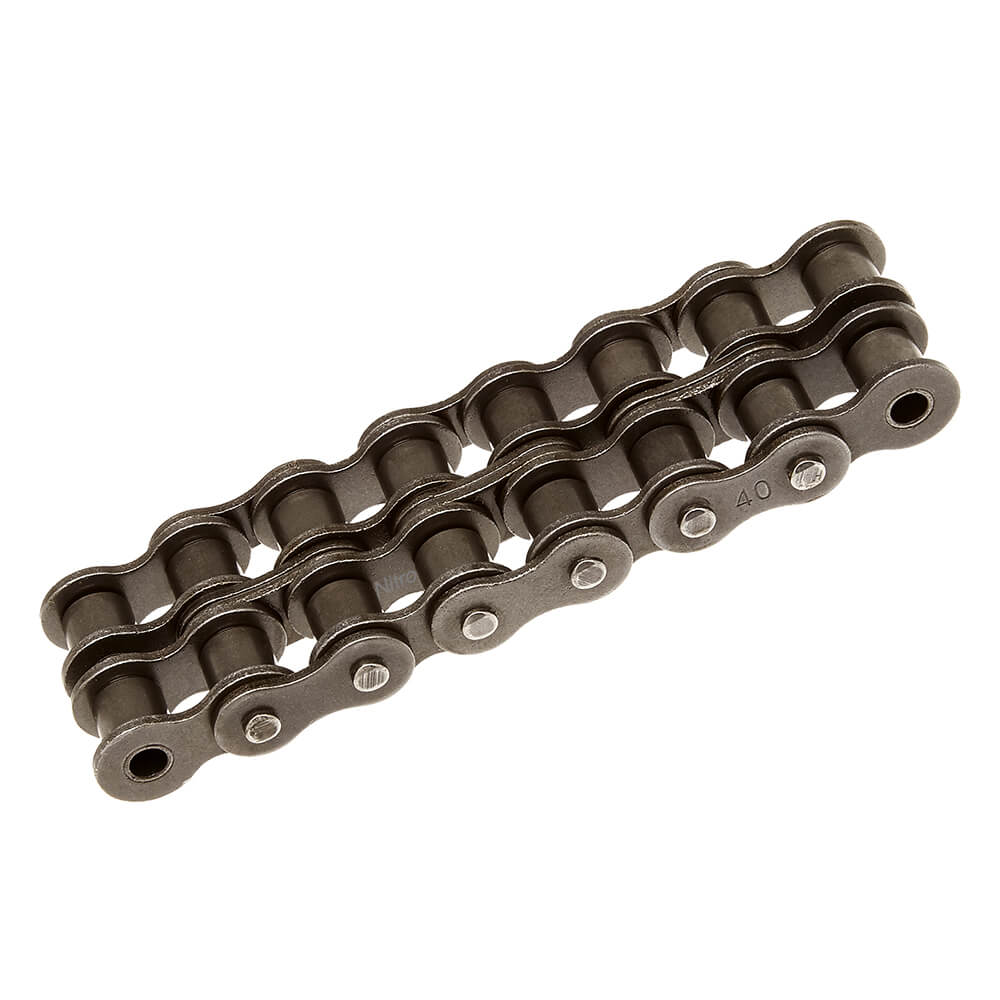
Performing end-of-life recycling for industrial chains requires meticulous organization, safe procedures, and compliance with ecological regulations. Industrial chains are commonly fabricated from high-tensile steel or specialty alloys that can be recovered with minimal loss, but they may also contain protective finishes, residual oils, or non-metal fittings that must be stripped prior to processing.
Start with a thorough visual and physical assessment of the chain’s condition. Eliminate components like nylon collars, rubber protectors, or composite inserts. These substances are incompatible with metal recycling streams and require segregated processing via dedicated waste streams. Should the chain carry traces of lubricants, hydraulic fluids, or industrial solvents, degrease it with certified, industrial-grade cleaning agents. Do not employ chlorinated or petroleum-based cleaners; choose eco-friendly, non-toxic, and water-soluble alternatives.
After all foreign materials have been removed and the surface is purified, determine its remaining usability. Chains retaining integrity should be considered for فروش زنجیر صنعتی repair, retrofitting, or alternative industrial uses. If the chain has reached its functional end, divide them into smaller, standardized pieces to streamline logistics. This enhances safety protocols and guarantees seamless integration with recycling machinery.
Reach out to an accredited scrap metal processor specializing in heavy-duty alloys. Provide them with details about the chain’s composition, weight, and any known contaminants. Bulk shipments typically trigger free haul-away options, which can reduce transportation costs and emissions. Verify that the recycler adheres to ISO 14001 or similar standards.
Never discard industrial chains with municipal trash or in dump sites. This practice squanders recyclable metal and risks legal penalties under industrial disposal laws. Recycling these chains conserves raw materials, reduces energy consumption compared to producing new steel, and lowers the overall environmental footprint of your operations.
Finally, document the recycling process. Track total tons processed, vendor name, and official recycling documentation. This documentation supports sustainability reporting, regulatory compliance, and continuous improvement in your environmental management practices. By properly recycling industrial chains, you contribute to a circular economy and demonstrate responsible stewardship of industrial assets.