Maximizing the lifespan of industrial chains is crucial to ensure smooth operations, minimize unplanned stoppages, and cut ongoing repair expenses.
Constant exposure to demanding conditions, including dirt, moisture, and high-pressure cycles, can rapidly degrade chain integrity unless proactive measures are taken.
Implementing a few key strategies can significantly enhance their durability and performance.
First, proper lubrication is one of the most critical factors.
Regular application of the right lubricant minimizes internal friction and eliminates direct metal surfaces from grinding against each other.
Select a lubricant formulated for your specific environment—whether it’s high heat, wet conditions, or chemical exposure.
Use high quality, industrial grade lubricants and apply them regularly using automated systems where possible to ensure even coverage.
Avoid over lubrication, which can attract dirt and debris, accelerating wear.
Routine checks and thorough cleaning are non-negotiable for sustained performance.
Inspect chains at scheduled intervals for signs of elongation, cracked or worn links, damaged rollers, or excessive rust.
Remove all embedded debris, oil residue, and foreign matter that contribute to abrasive wear.
Apply a non-corrosive degreaser, then ensure the chain is fully air-dried before reapplying lubricant.
A clean chain operates more smoothly and lasts longer.
Maintaining the ideal tension level prevents premature failure and ensures consistent performance.
Chains that are too loose can skip or jump sprockets, leading to impact loads and premature failure.
Tightening beyond specifications generates constant strain, leading to accelerated fatigue and higher energy costs.
Always rely on calibrated tension gauges and قیمت خرید زنجیر صنعتی consult the equipment manual for exact specifications.
Re check tension periodically, especially after initial installation or after extended use.
Misalignment is a leading cause of premature chain failure and should be addressed immediately.
When sprockets are out of alignment, stress concentrates on one flank, causing rapid flank wear and possible plate cracking.
Use laser alignment systems, dial indicators, or straight edges to detect and correct misalignment.
Any contact between the chain and surrounding structures must be eliminated to prevent abrasion and unintended wear.
The initial selection of chain material and design determines operational lifespan.
Evaluate your application’s demands—including peak load, rotational speed, exposure to elements, and expected service hours.
For example, in corrosive environments like food processing or marine settings, stainless steel or nickel plated chains may be more suitable.
For environments exceeding 200°C, select chains with high-temp alloys or ceramic coatings.
Selecting the appropriate chain model upfront avoids costly replacements and unplanned downtime.
Lastly, train personnel on proper handling and maintenance procedures.
Operators and maintenance staff should understand how to install, inspect, and lubricate chains correctly.
Small anomalies like clicking, rattling, or uneven movement often precede catastrophic breakdowns and should never be ignored.
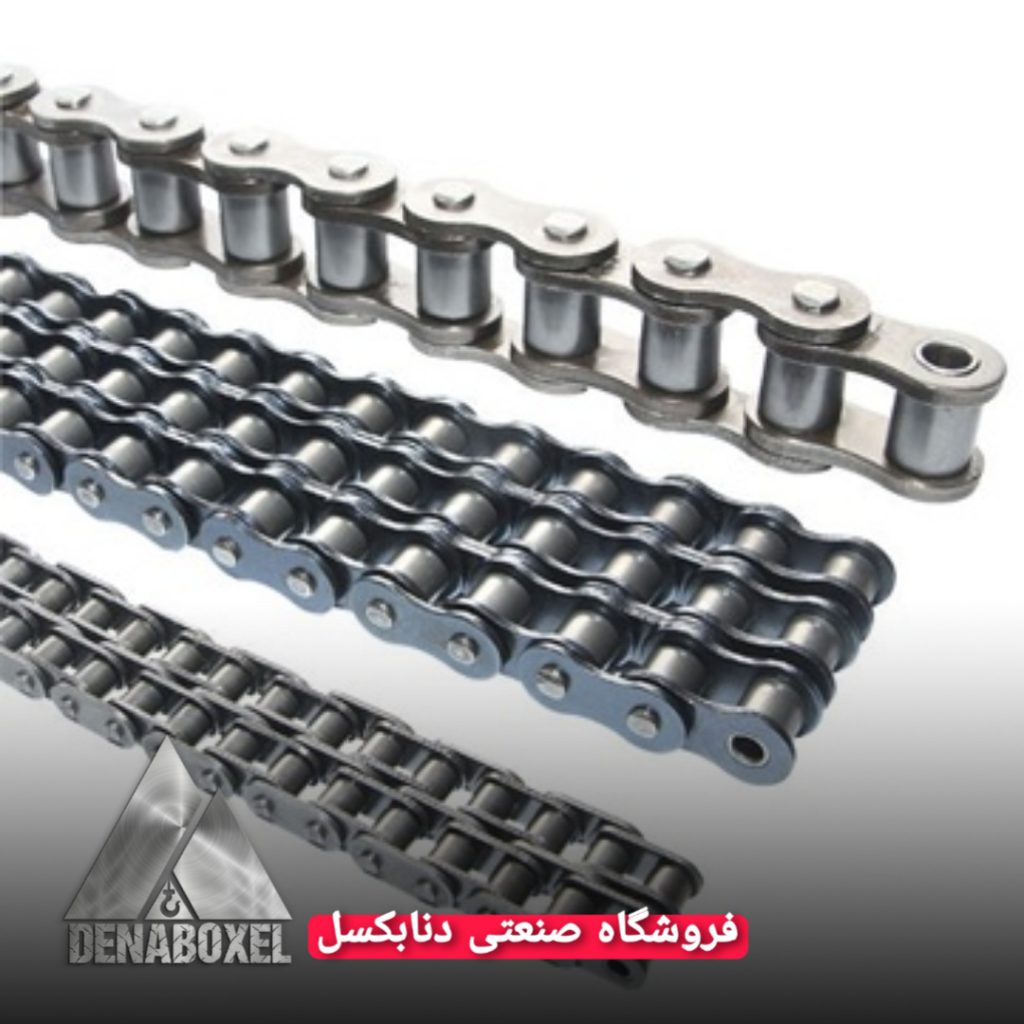
A holistic approach centered on precision, consistency, and quality ensures maximum longevity.
Adopting these practices reduces accident risks, lowers total ownership costs, and enhances overall plant efficiency.
